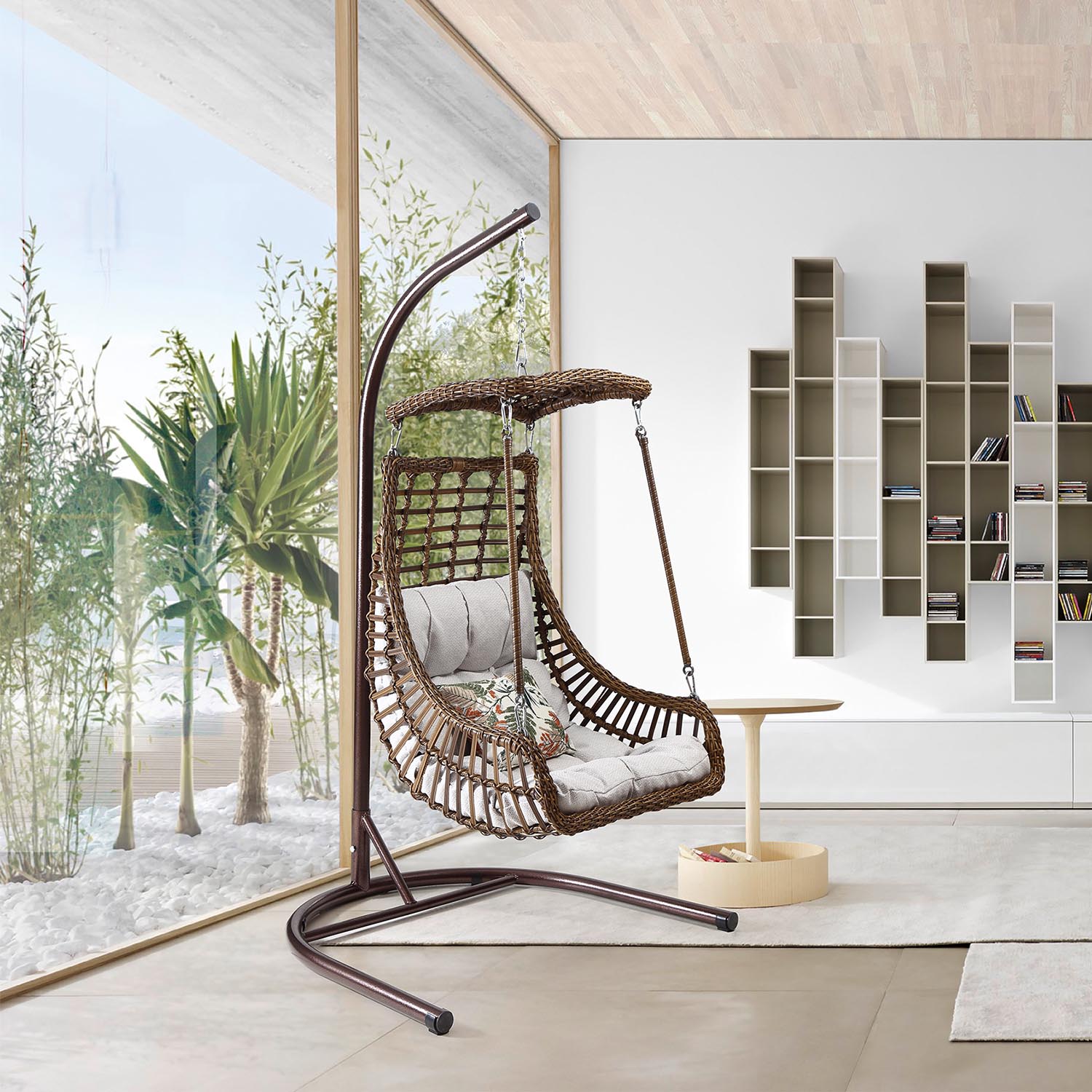
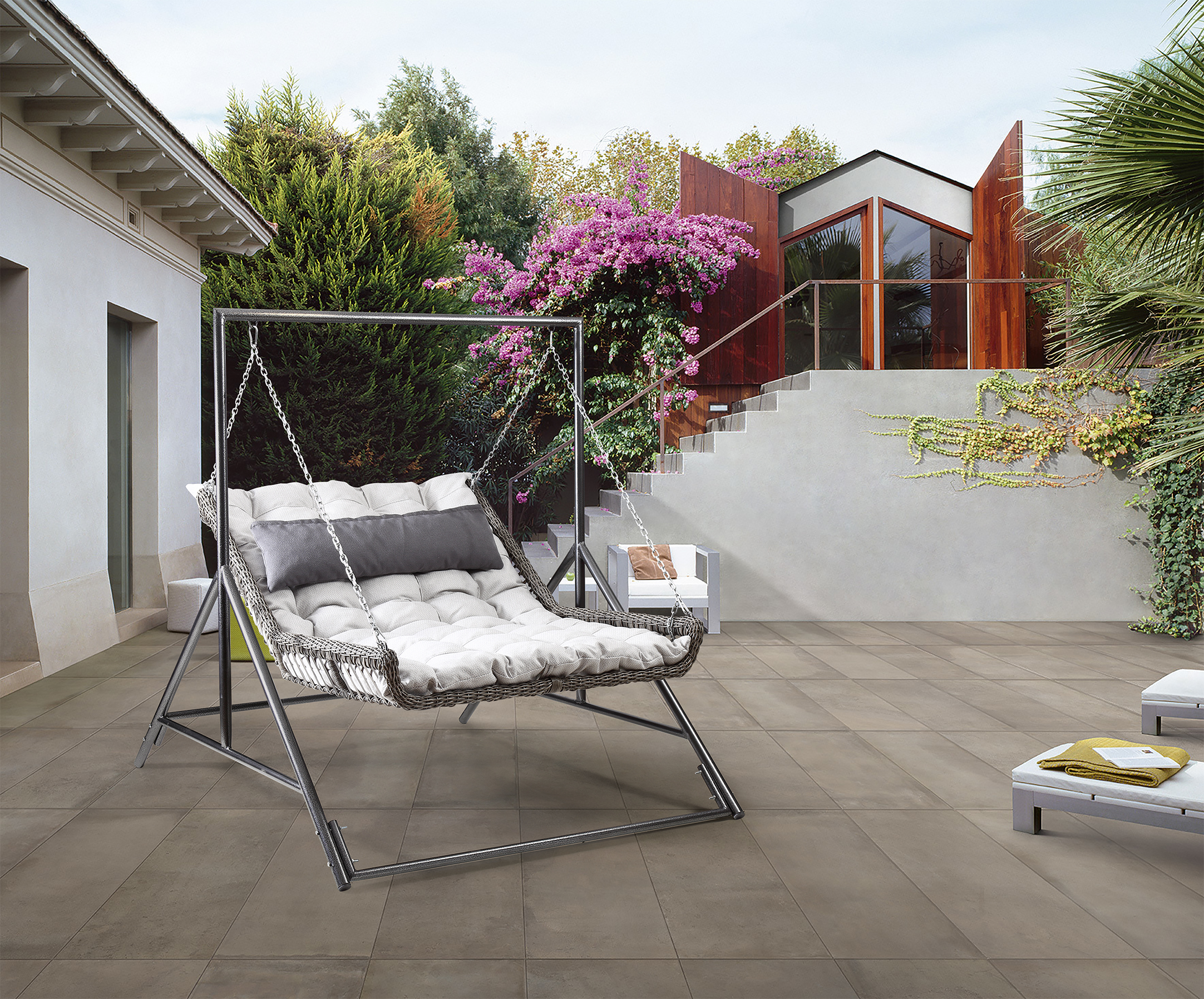
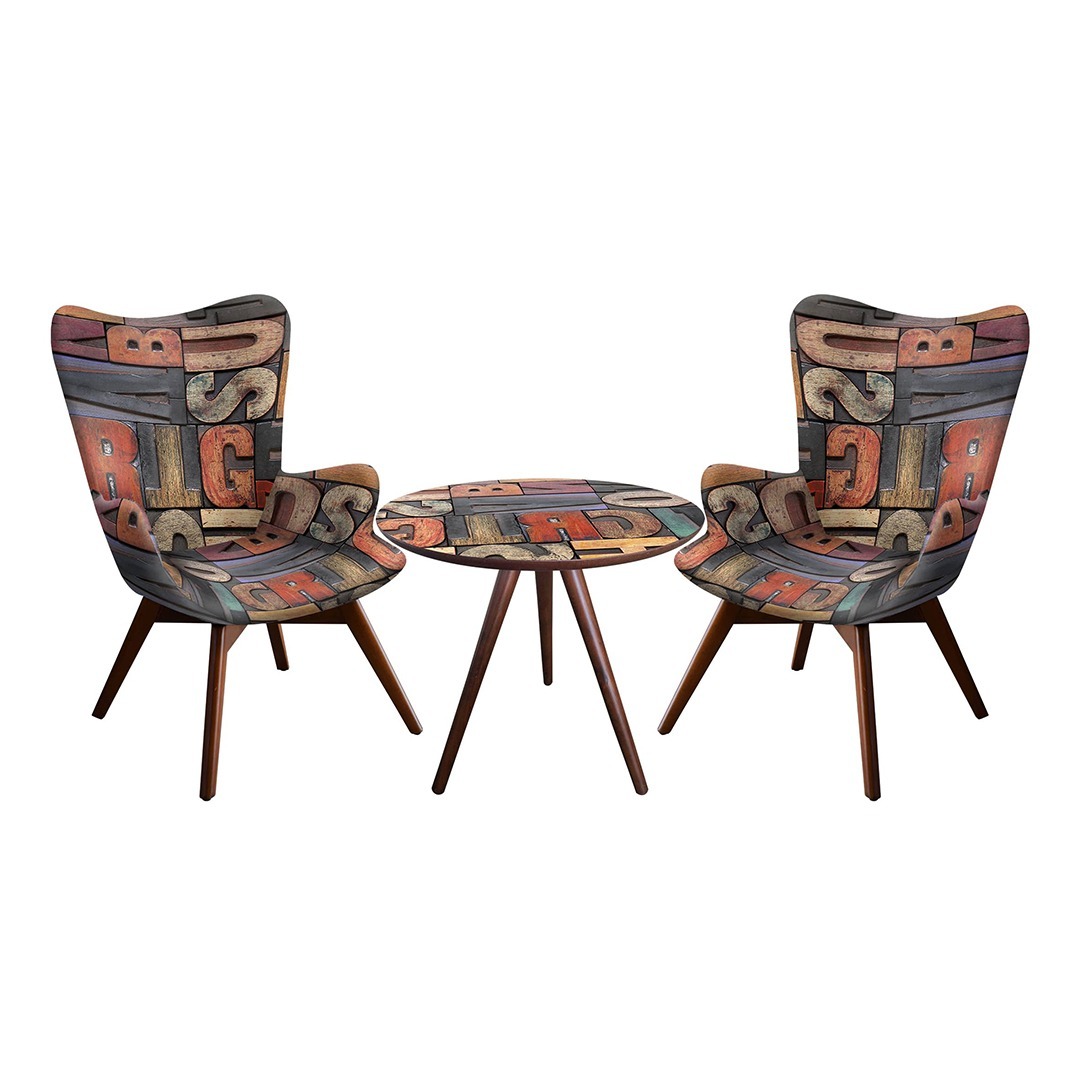
ReHome Nova Iroko Corner Sofa • It is made of iroko wood. • It is guaranteed for 3 years. • Seat cushion is included. • Measurement: Single Seat: 83 x 81 x 73 cm Double Seat: 140 x 81 x 73 cm Corner Sofa: 117 x 81 x 73 cm Table: 100 x 100 x 40 cm IROKO TREE The Iroko tree used in our products is a type of tree that grows in Central and West African countries. Since it contains oil, it does not hold water and thus does not produce bacteria. When the Iroko tree is cut while wet, the trunk resin seeps into the cut area and hardens. This substance creates a glass-like surface and prevents rotting. It is resistant to rain, wind, humidity, sun, and cold. It is suitable for use in outdoor furniture, joinery, and coatings. The color of the Iroko tree has inhomogeneous yellow tones. When it comes into contact with the sun and oxygen, it turns into brown and chocolate tones over time, creating a homogeneous image. Iroko wood is a wood species preferred under harsh conditions such as exterior cladding, parquet floors of boats, and outdoor furniture. TECHNICAL INFORMATION Origin: Central and West Africa Family Name: Moraceae Scientific Name: Chlorophora Excelsa and Chlorophora Regia Common Names: Iroko, Kambala, Mvule, Mvulu, Odum, Tule, Intule, Moreira, Ireme, Framere, Band, Semli, Mandji, Abang, Rokko, Oroko Specific Gravity: 660 kg/m3 Length: 48-50m Diameter: 2.5-3m Humidity: 12% CARE Teak oil is applied to the surfaces of products made of Iroko wood to gain resistance against external effects. Thanks to this oil, the usage time of the product are increased without being deformed. However, since wood is a natural material, the product will be taken care of after a certain period of time. The maintenance periods of the wood may vary depending on the use and the external effects that the product is exposed to. The external factor that deforms the product in the shortest time is the sun's rays. Therefore, it is recommended that the product does not come into contact with direct sunlight in the hot summer months. It can be understood from the color change of the product and the rough surfaces that can be felt in the product structure by contact. In this case, first, the deformed surface is sanded with 180 grit sandpaper, and the surface roughness is removed by hand, and then transparent teak oil is applied to the sanded surface with a brush or polish cloth (oil). After this simple process, you can restore your product to its original appearance.