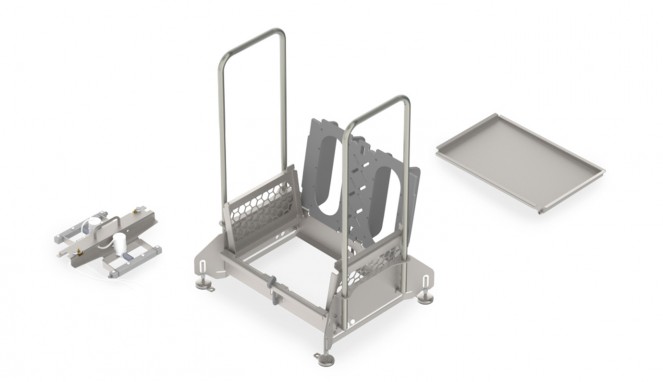
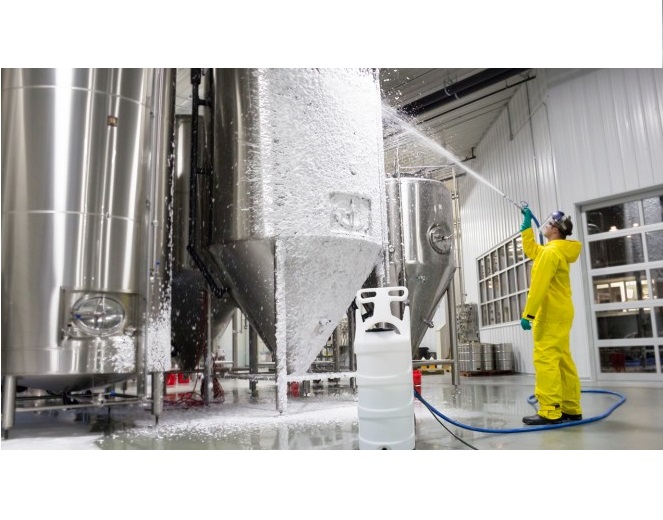
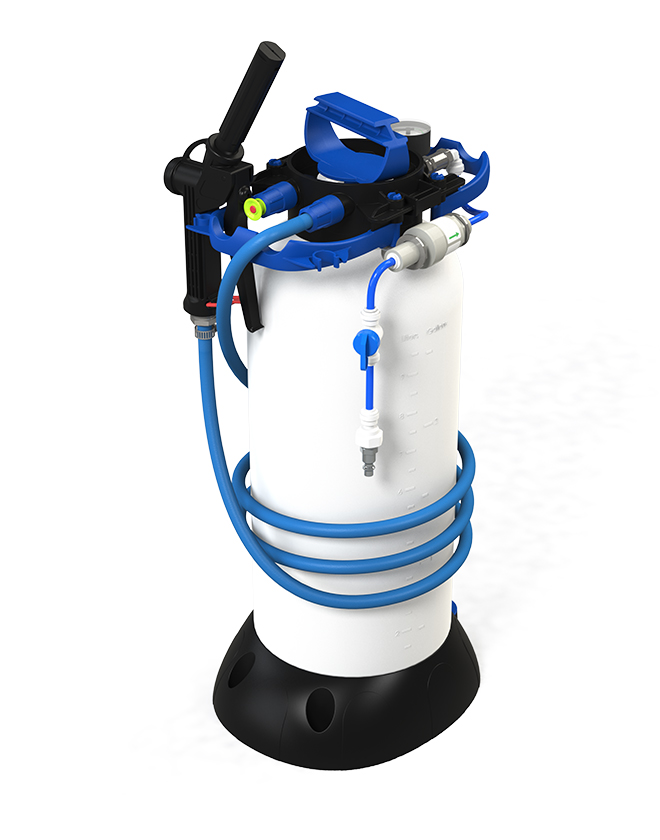
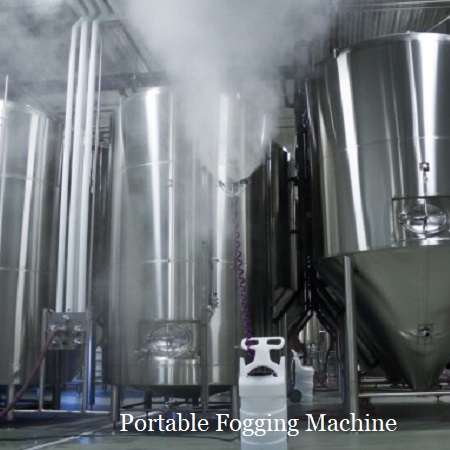
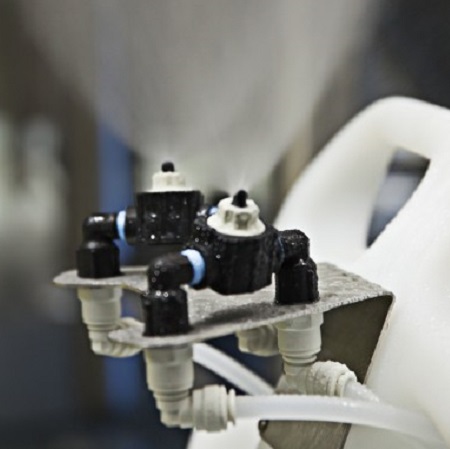
WHAT IS BIOSECURITY? Biosecurity refers to measures aimed at preventing the introduction and/or spread of harmful organisms (e.g. viruses, bacteria, etc.) to human, animal and plant life and health in order to minimize the risk of transmission of infectious disease. Biosecurity is a strategic and integrated approach to analysing and managing relevant risks to human, animal and plant life and health and associated risks for the environment. It is based on recognition of the critical linkages between sectors and the potential for hazards to move within and between sectors, with system-wide consequences. Reviewing national capacity provision for biosecurity as a whole helps identify any gaps in regulations and monitoring. Also, as technologies for the detection of pests and disease develop, it is likely that synergies will emerge between sectors in areas such as virology or detection of low levels of chemical contaminants. Ultimately the aim is to enhance national ability to protect human health, agricultural production systems, and the people and industries that depend on them. THE GOAL OF BIOSECURITY The overarching goal of biosecurity is to prevent, control and/or manage risks to life and health as appropriate to the particular biosecurity sector. In doing so, biosecurity is an essential element of sustainable agricultural development. DEMA Drive Over Foam Unit is Boon to the Cleaning Industry. It is useful in stopping Cross Contamination caused by the vehicles entering the Industrial Area. Easy to setup at the entrance no attendant required Sensor-operated system. Foam provides long contact times for maximum chemical effectiveness, and a visual way to verify coverage.